Overview
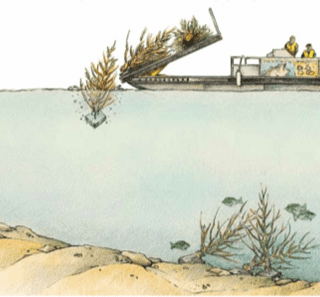
Table Rock Lake and Lake Taneycomo are located in the White River Hills region of the Ozark Plateau along the Missouri-Arkansas border. In 2007, the Missouri Department of Conservation (MDC), in cooperation with Bass Pro Shops (BPS), the National Fish and Wildlife Foundation (NFWF), Arkansas Game and Fish Commission (AGFC), the United States Army Corps of Engineers (USACE), Table Rock Lake Water Quality Inc. (TRLWQ) and many other partners began the National Fish Habitat Initiative (NFHI) project to sustain and improve the degrading physical habitat within Table Rock Lake. These partners provided the funding and resources necessary to improve habitat and water quality within Table Rock Lake and its tributaries.
Five main objectives for this project were established: improve fish habitat within Table Rock Lake, improve water quality within Table Rock Lake and its tributaries, improve water quality and habitat within Lake Taneycomo, monitor the effectiveness and longevity of structures and projects employed, and develop a framework for a broader, national program focused on habitat protection and restoration in reservoirs and their watersheds.
Photo Gallery
What FOR Has Accomplished
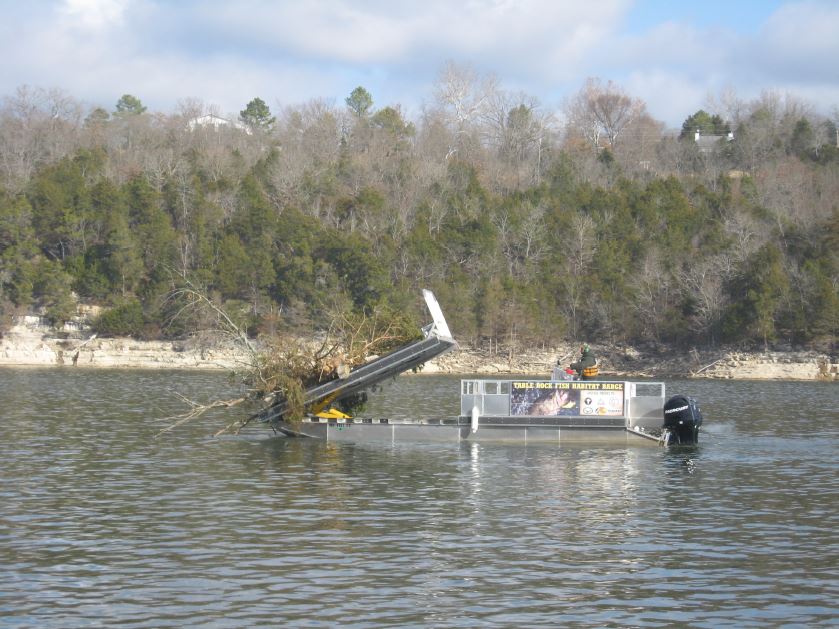
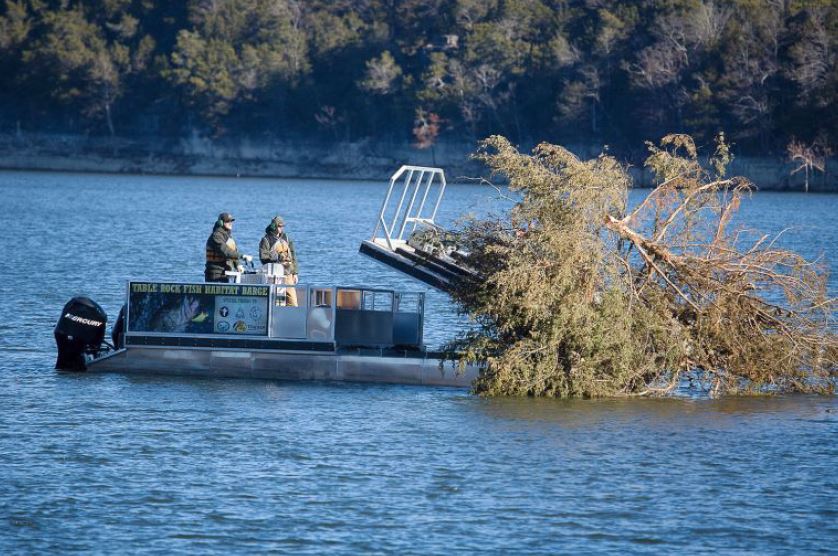
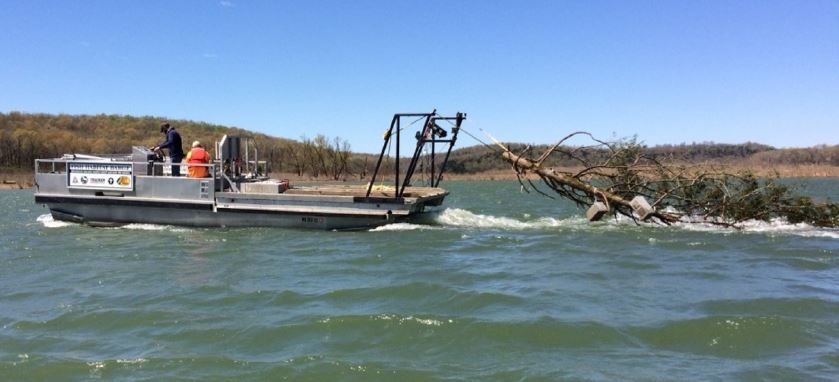
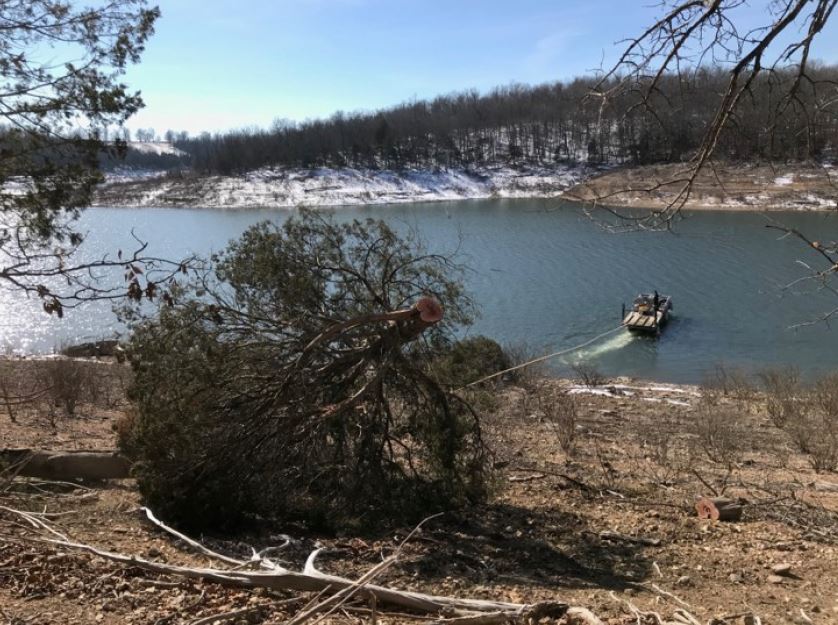
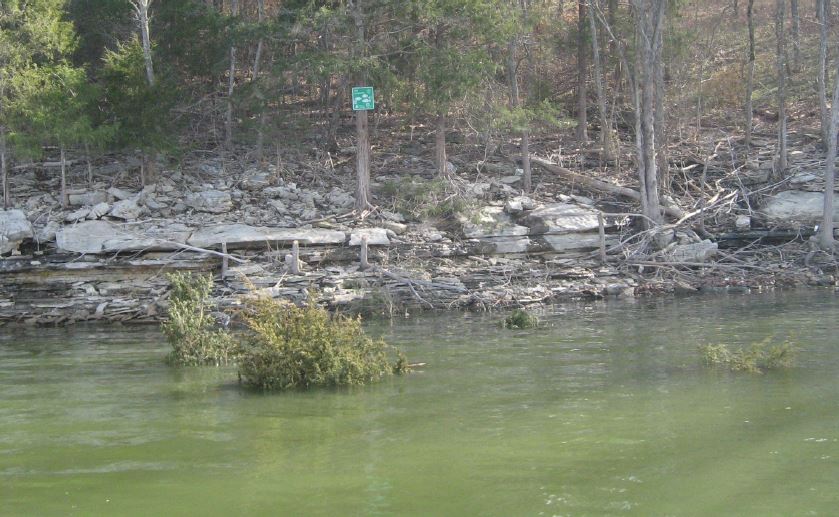
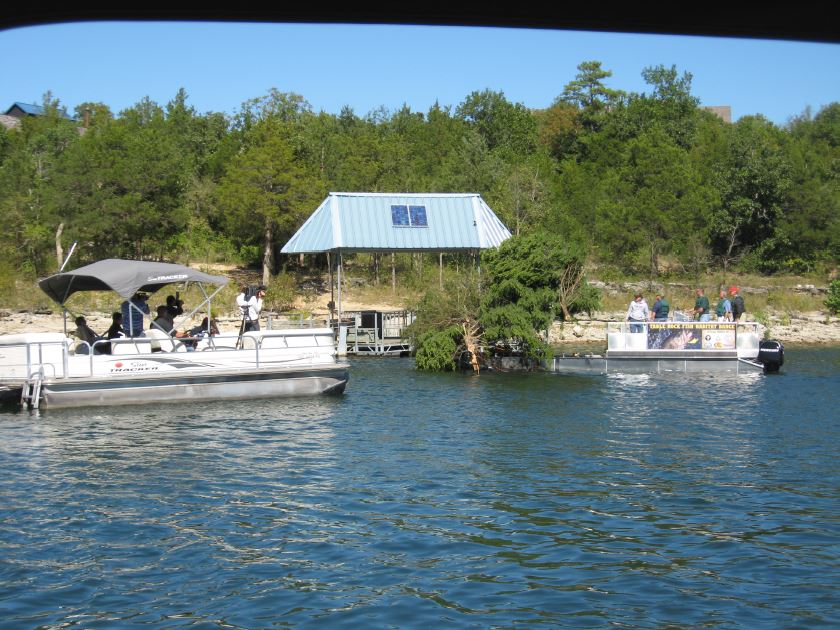
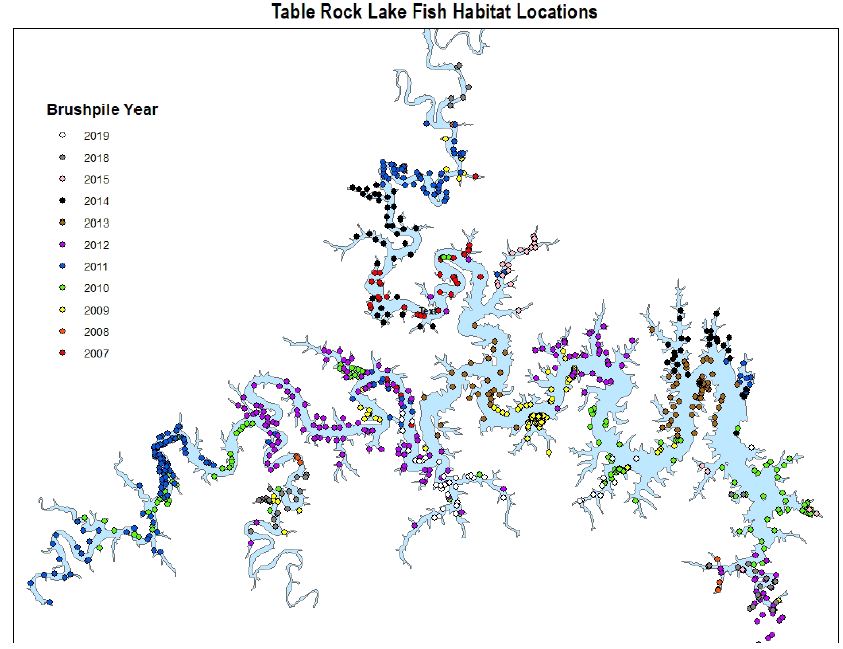
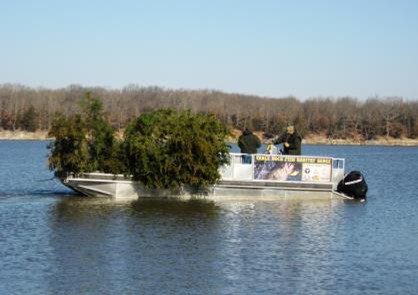
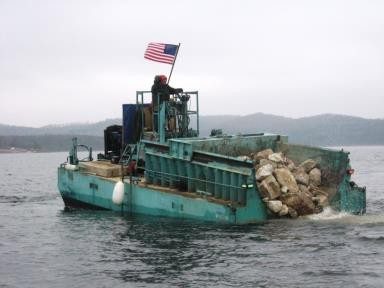
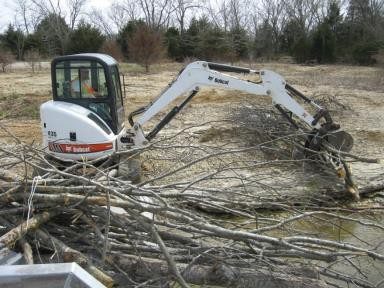
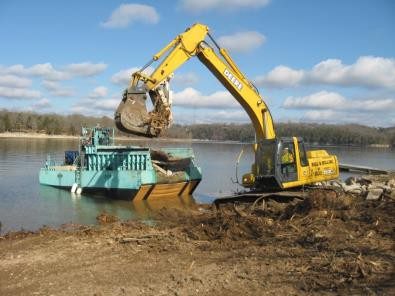
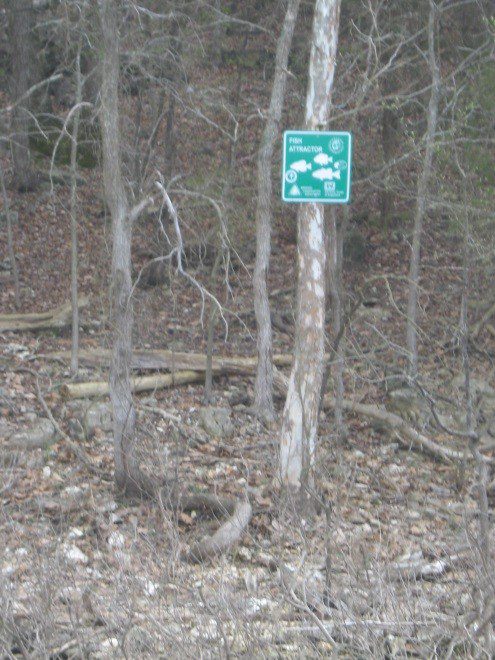
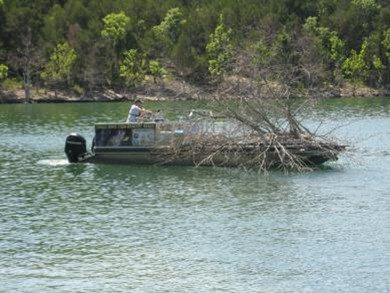
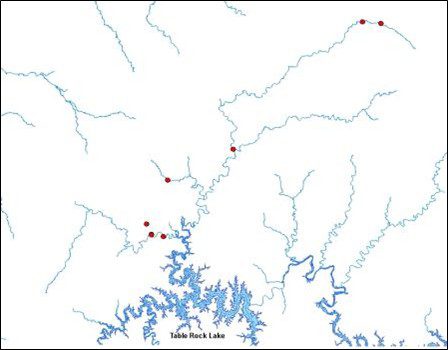
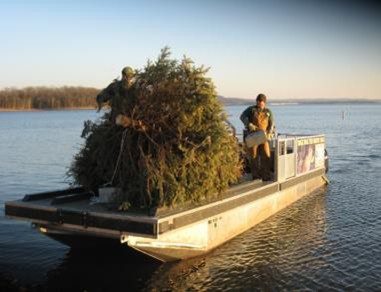
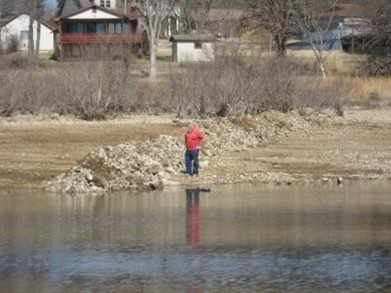
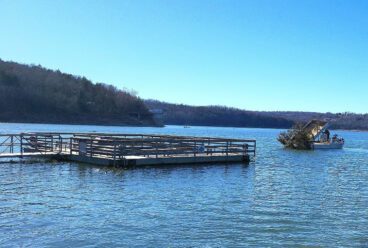
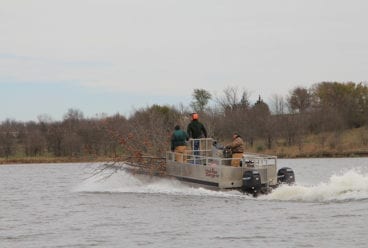
The project began in October 2007 and continued through December 2013 with funding totaling four million dollars. During this timeframe, a total of 2,024 fish habitat structures were installed in Table Rock Lake; including 1,797 brush structures, 114 rock piles, 76 stump fields, 11 rock and stump combination structures and 26 shallow water rock fence structures. These structure locations were recorded by Global Positioning Systems (GPS) technology and are available to the public on the MDC website. Many different techniques and material types were used for the installation of these habitat structures which required the use of large machines and numerous personnel to implement them. Collecting and hauling of the materials for habitat structures was contracted to a local excavating company. This greatly improved the efficiency of the habitat work portion of the NFHI project. Two large boats, or barges, were used on the project to transport and place the materials in Table Rock Lake. These specialized watercraft made installation of habitat much easier and safer. Hardwood tree tops and cedar trees were the most common types of material used for the habitat structures but pine (Christmas) trees were also used when available. The use of contractors and large machines also allowed for placement of large rock structures and stump fields to add to the diversity of the habitat structures.
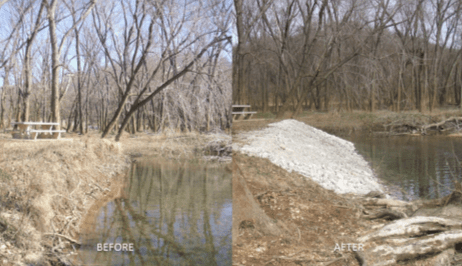
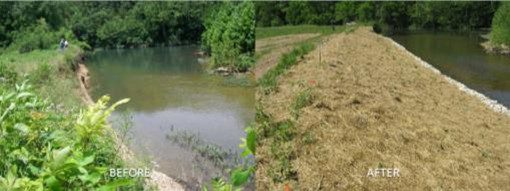
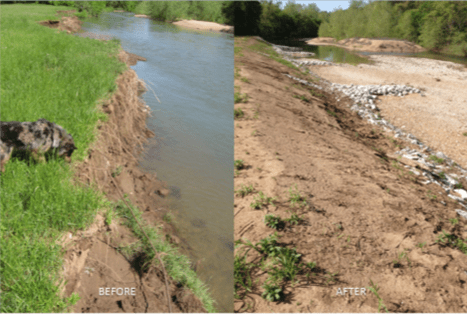
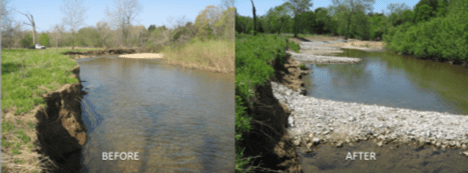
The MDC, in conjunction with the James River Basin Partnership and TRLWQ, implemented a program to improve water quality throughout Table Rock Lake. This program offered a $50 incentive to landowners in the Table Rock Lake and James River watersheds for preventative pumping out of septic tanks before failure occurred. Over 2,000 septic tank pumpouts were completed equating to a potential reduction of two million gallons of septic effluent entering the Table Rock Lake watershed and helping to reduce the amount of nitrogen entering the lake by 550 pounds per year. The program also offered educational packets to each participating landowner to increase their knowledge of the benefits of properly maintaining their septic systems. To reduce the amount of sediment transferred from the watershed to Table Rock Lake, MDC also worked with landowners to provide a cost share program to stabilize highly eroding streambanks. A total of eight (8) cost-share projects were completed in the Table Rock Lake watershed. This aspect of the NFHI project offered a cost share incentive of up to 95 percent to the landowners and were designed and built with the most effective techniques to stop erosion. Approximately 3,610 linear feet of streambank were stabilized and many more acres of riparian corridor were established.
Historically, Table Rock Lake has experienced dramatic lake stratification during the late summer and autumn. This stratification can reduce dissolved oxygen (DO) levels to less than four milligrams per liter near the dam turbine intakes for time periods of up to five months. A study conducted in 1999 identified a forebay liquid oxygen diffuser system as the best option for improving DO levels in Lake Taneycomo. Utilizing NFHI funding, a feasibility study for installing a forebay liquid oxygen diffuser system at Table Rock Lake was conducted in 2009. This system would oxygenate water in the Table Rock Lake forebay before it entered the penstocks of Table Rock Dam and flowed into Lake Taneycomo. As funding and water allocation becomes a priority, this study will inform decisions to improve water quality in Lake Taneycomo. Habitat improvements were also completed in the upper portion of Lake Taneycomo. Much of the habitat in the upper sections of Lake Taneycomo is comprised of homogenous gravel substrate. Boulder clusters were installed in the upper mile of Lake Taneycomo to add diversity of habitat to the lake, create improved feeding areas for trout and other species of fish and increase angling opportunities in Lake Taneycomo.
The NFHI project provided a unique opportunity to evaluate the effectiveness of habitat structures that were installed in Table Rock Lake. Four different evaluation techniques to determine fish and angler use of the habitat structures began in 2009. Electrofishing surveys of habitat treated coves showed that fish can be attracted locally to habitat structures for spawning but habitat structures are not likely to congregate fish from other areas of the lake. Self-Contained Underwater Breathing Apparatus (SCUBA) surveys of bass and crappie species were conducted on five of the main types of structures installed in Table Rock Lake (hardwood trees, cedar trees, pine trees, stump fields and rock piles). During these surveys, Largemouth Bass were observed on all of the structure types and observed most often on hardwood structures. Crappie species were observed on all structure types except rock piles and most often on cedar trees. Radio bio-telemetry of Largemouth Bass in the Kings River Arm of Table Rock Lake showed that the chances of fish using installed habitat structures were equal to or greater than the chances of fish utilizing natural habitat types. Finally, two types of angler surveys were utilized to determine angler use and opinions of installed habitat structures in Table Rock Lake. A roving-roving creel survey was used to determine if angler catch rates were improved as a result of habitat placement, as well as to assess angler opinions of the habitat project. A web-based survey was also conducted to determine opinions from the general angling public about the installed habitat structures and the NFHI project. The information gained through both surveys indicated anglers do support installation of habitat structures in Table Rock Lake and also believe that the installed habitat structures in the lake improved their fishing. This combination of information was used to determine that the habitat structures installed in Table Rock Lake generally employed the most effective techniques and materials for fish and angler use.
The Table Rock Lake NFHI project builds upon a long-standing public/private partnership in southwest Missouri to improve and restore fish habitat in Table Rock Lake, Lake Taneycomo and their watersheds through cover augmentation, watershed management and other water quality-related projects. The MDC, NFWF, BPS, AGFC, USACE, the U.S. Fish and Wildlife Service, Southwestern Power Administration, TRLWQ, various non-government organizations, angler groups and private citizens all worked cooperatively to ensure the success of this project. This project was an excellent opportunity to proactively maintain and enhance fish habitat in and around two of the Midwest’s most popular sport fisheries. This project has proven to be a national example of sustaining and improving reservoir sport fish populations through large-scale habitat improvements.
Related News
AGFC Biologists Work with Partners to Improve Fish Habitat on Norfork and Table Rock Lakes
Press Release Arkansas Game and Fish Commission (AGFC) biologists in north-central Arkansas teamed up with other agencies to improve fishing opportunities on Norfork and Table Rock lakes. As part of […]

Small Grants Awarded to Five FOR Chapters!
The Reservoir Fisheries Habitat Partnership and Friends of Reservoirs is proud to announce that five chapters were awarded with the 2023 Small Grant for fish habitat work! These were voted […]
Job Opportunity on Bull Shoals and Table Rock
Missouri Department of Conservation is hiring three hourly employees to install fish habitat in Table Rock Lake and Bull Shoals Lake using BPS grant money from October 2022 through December […]